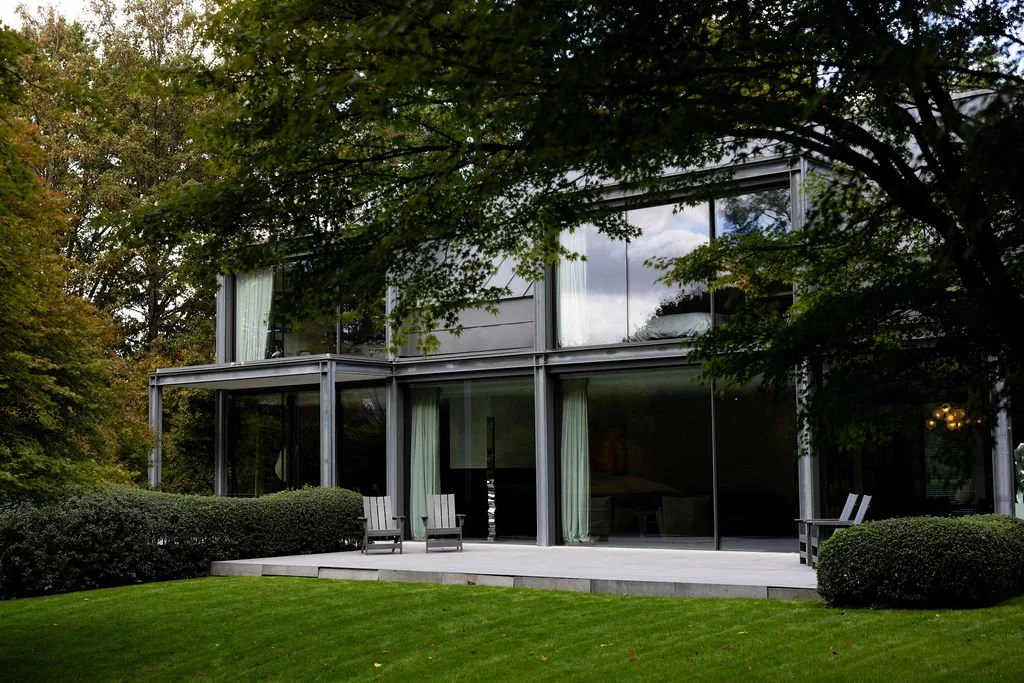
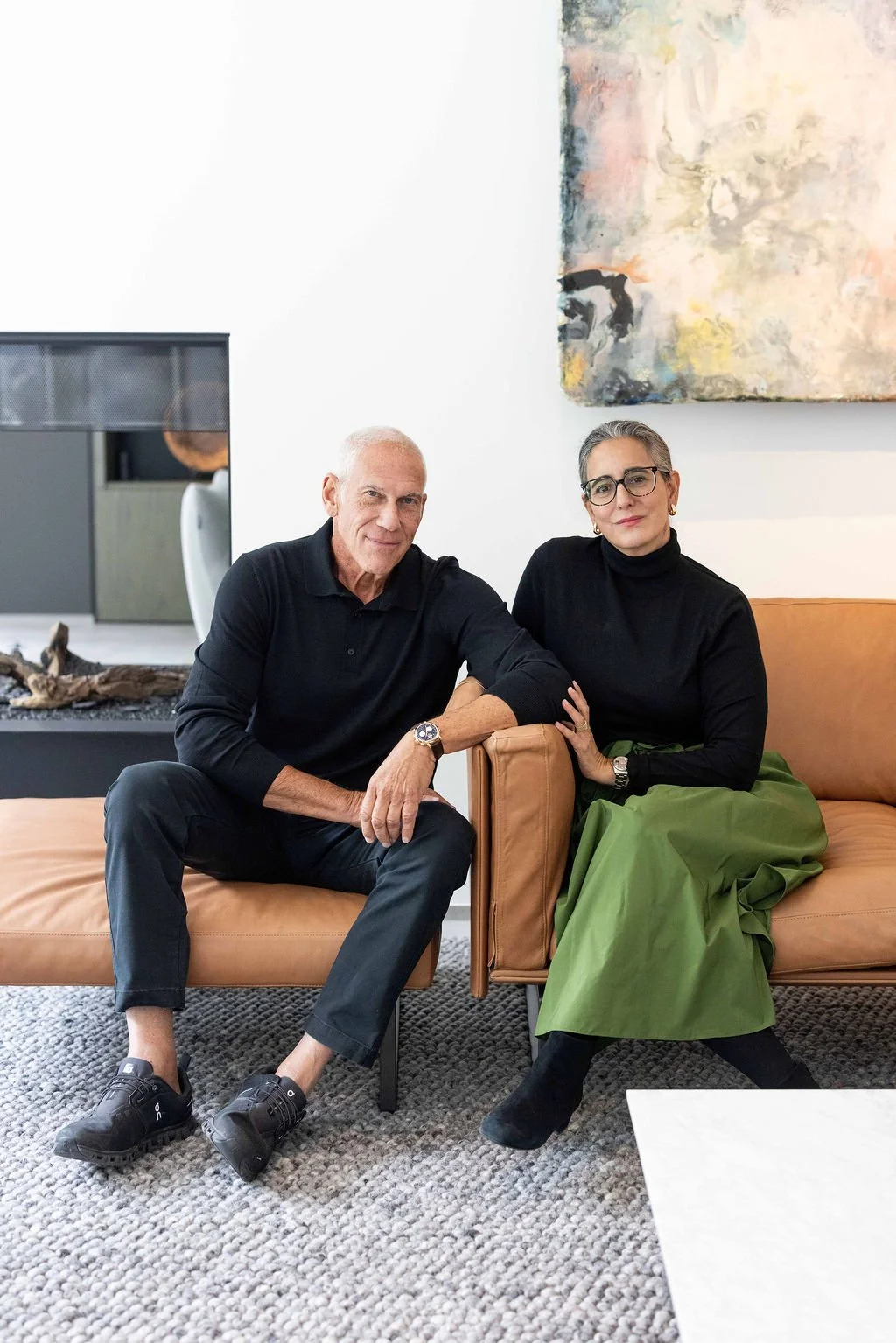
Founded by American sculptor Jonathan Prince and his wife and curator Stephanie Manasseh, Maison Berkshire establishes a new cultural address in Brussels, bringing contemporary sculpture, architecture and design into the intimate setting of a private home. Designed by Belgian architect Marc Corbiau, the space marks Prince’s first permanent European location and proposes a more personal relationship between art, collecting and everyday life.
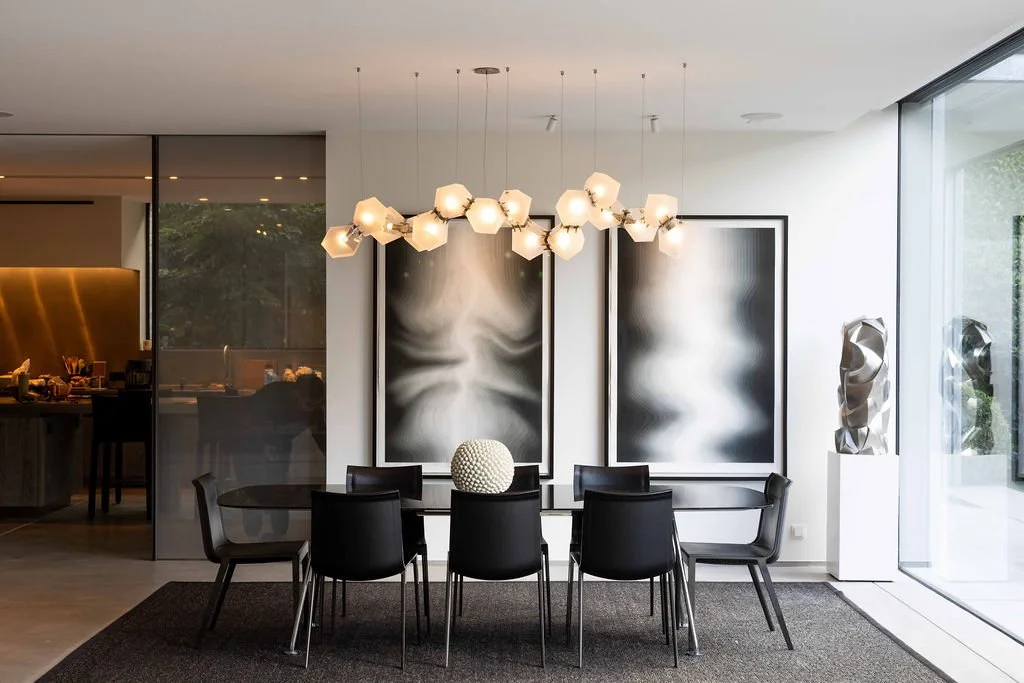
Conceived as an alternative to the conventional gallery model, Maison Berkshire brings together the intimacy of a private residence, the curatorial sensibility of an exhibition space and the intellectual vitality of a contemporary cultural salon. It is a place where art is not simply displayed but experienced in relation to its surroundings; where collecting becomes an extension of a wider conversation about aesthetics, architecture and the meaning of living with art.
Marking Prince’s first permanent European location, Maison Berkshire also creates a transatlantic connection with Berkshire House in Massachusetts, where the artist maintains his studio and produces his sculptures. Together, the two locations articulate a shared vision in which artistic creation, presentation and cultural exchange form part of a continuous dialogue.
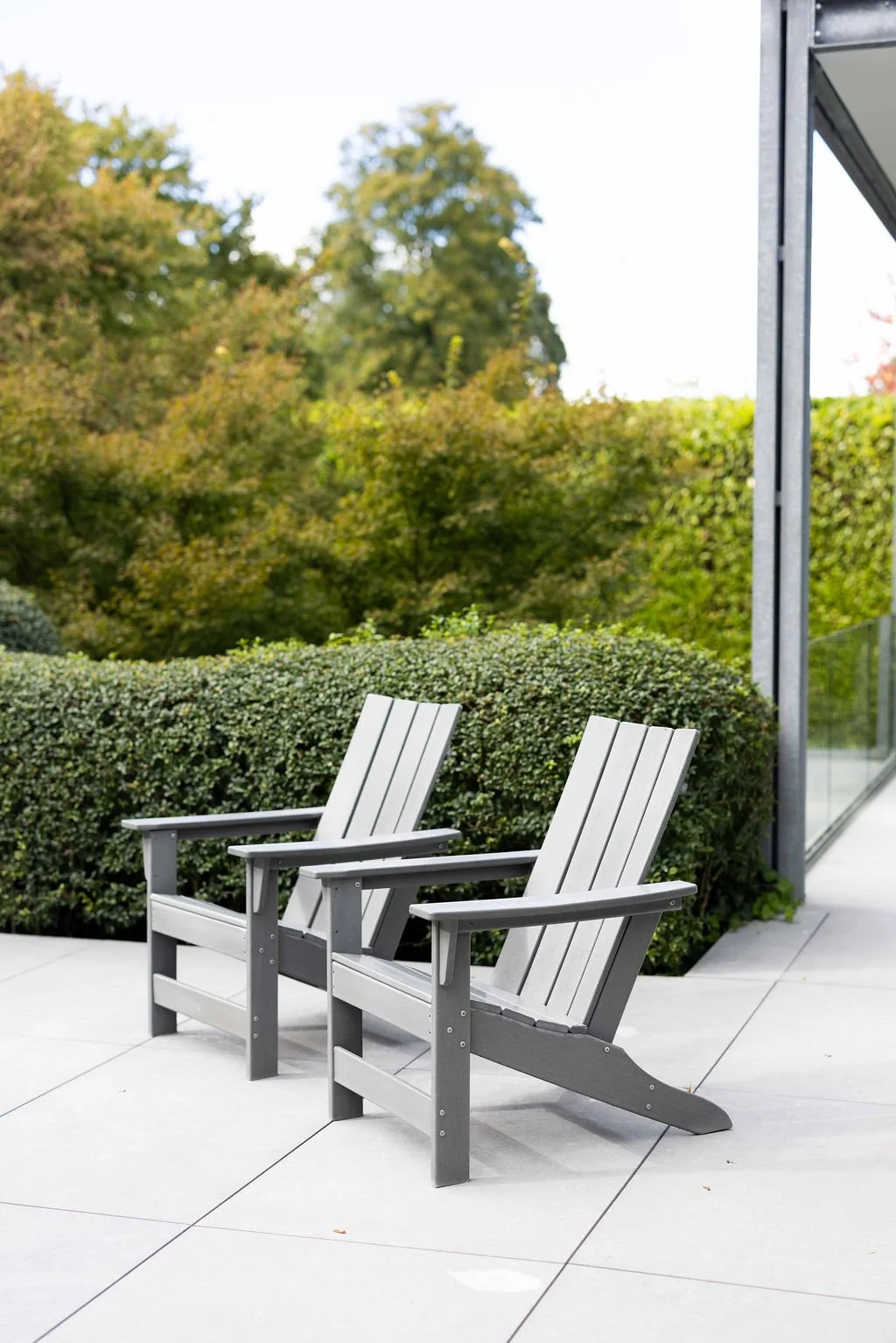
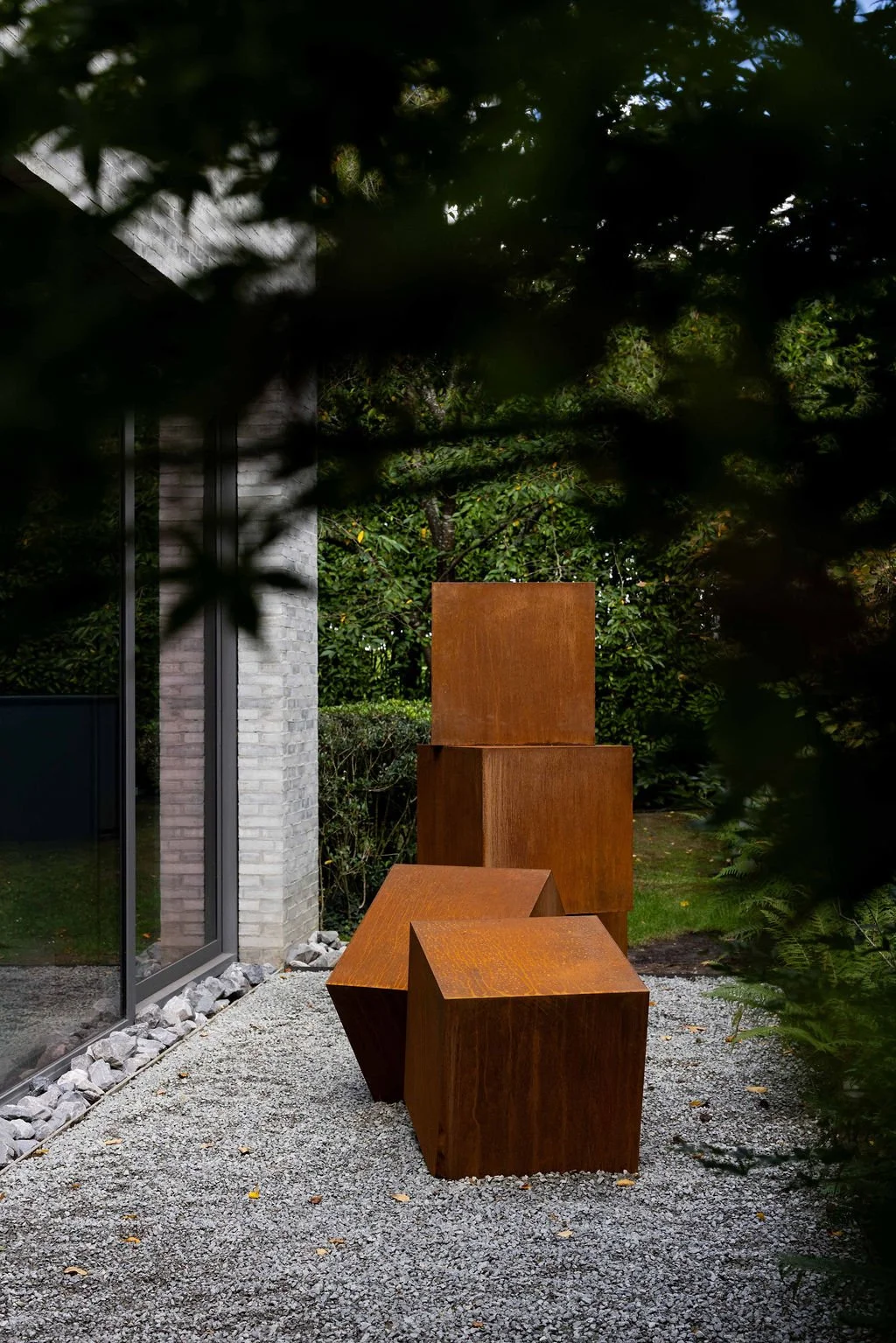
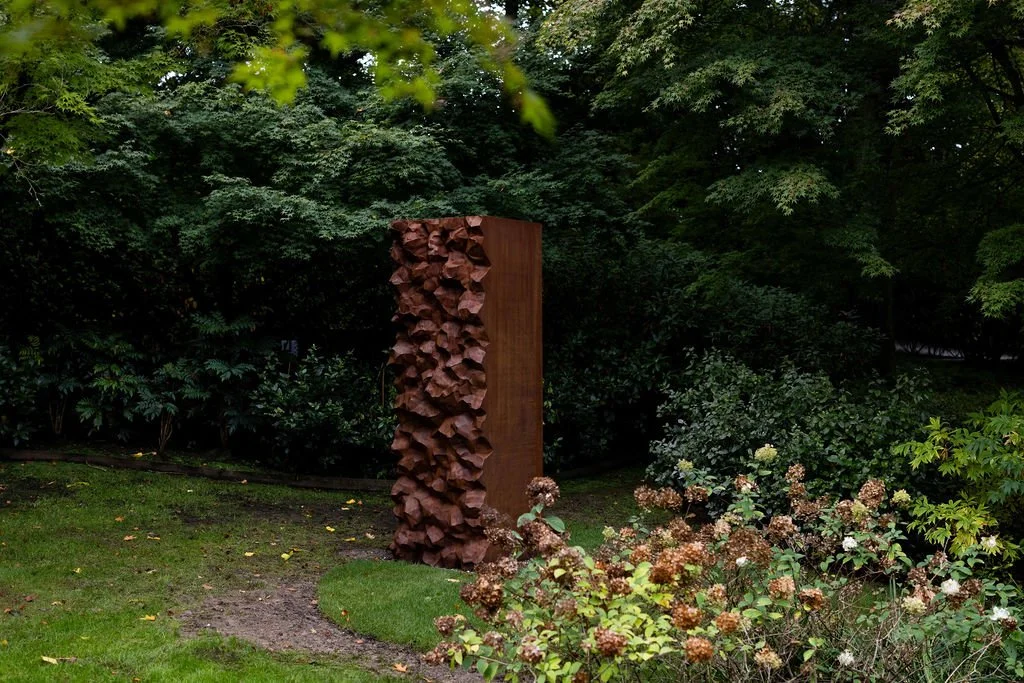
JONATHAN PRINCE: THE POETICS OF FRACTURE
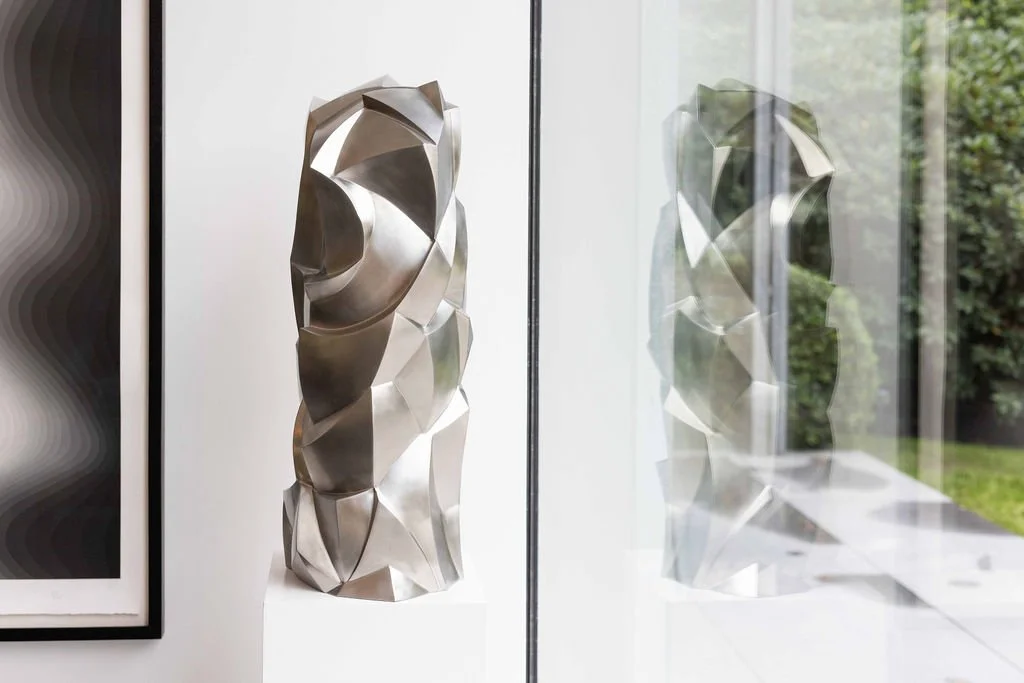
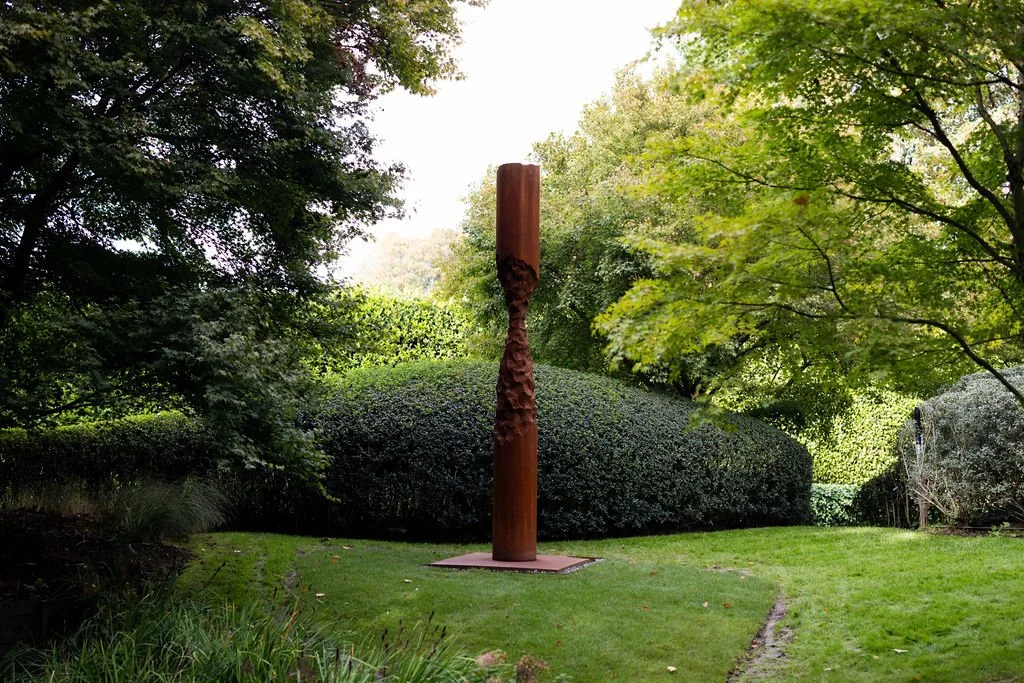
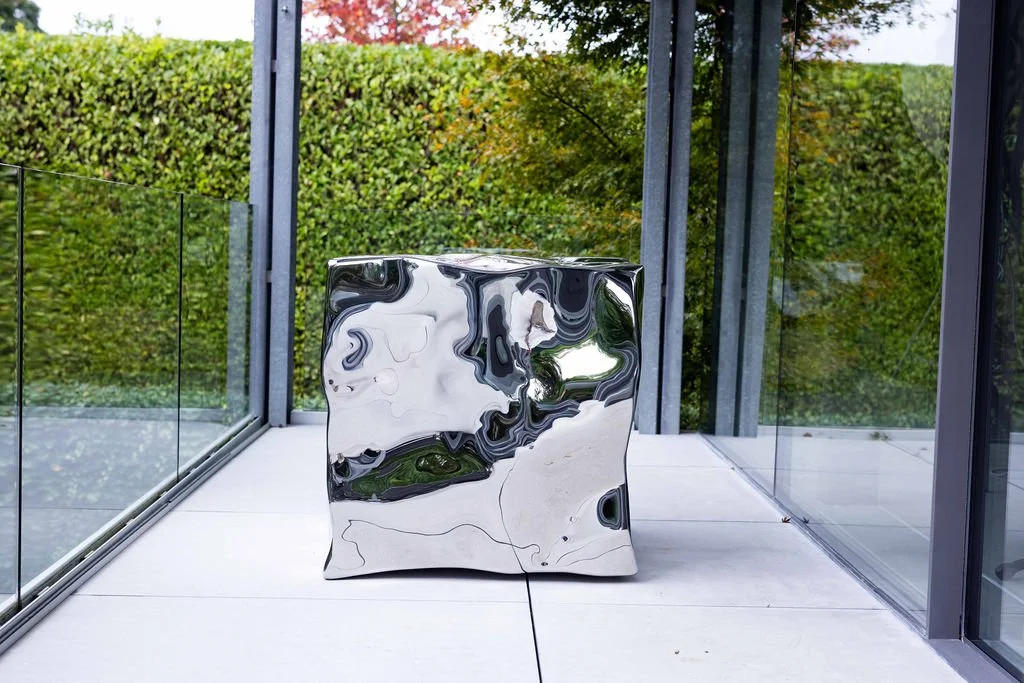
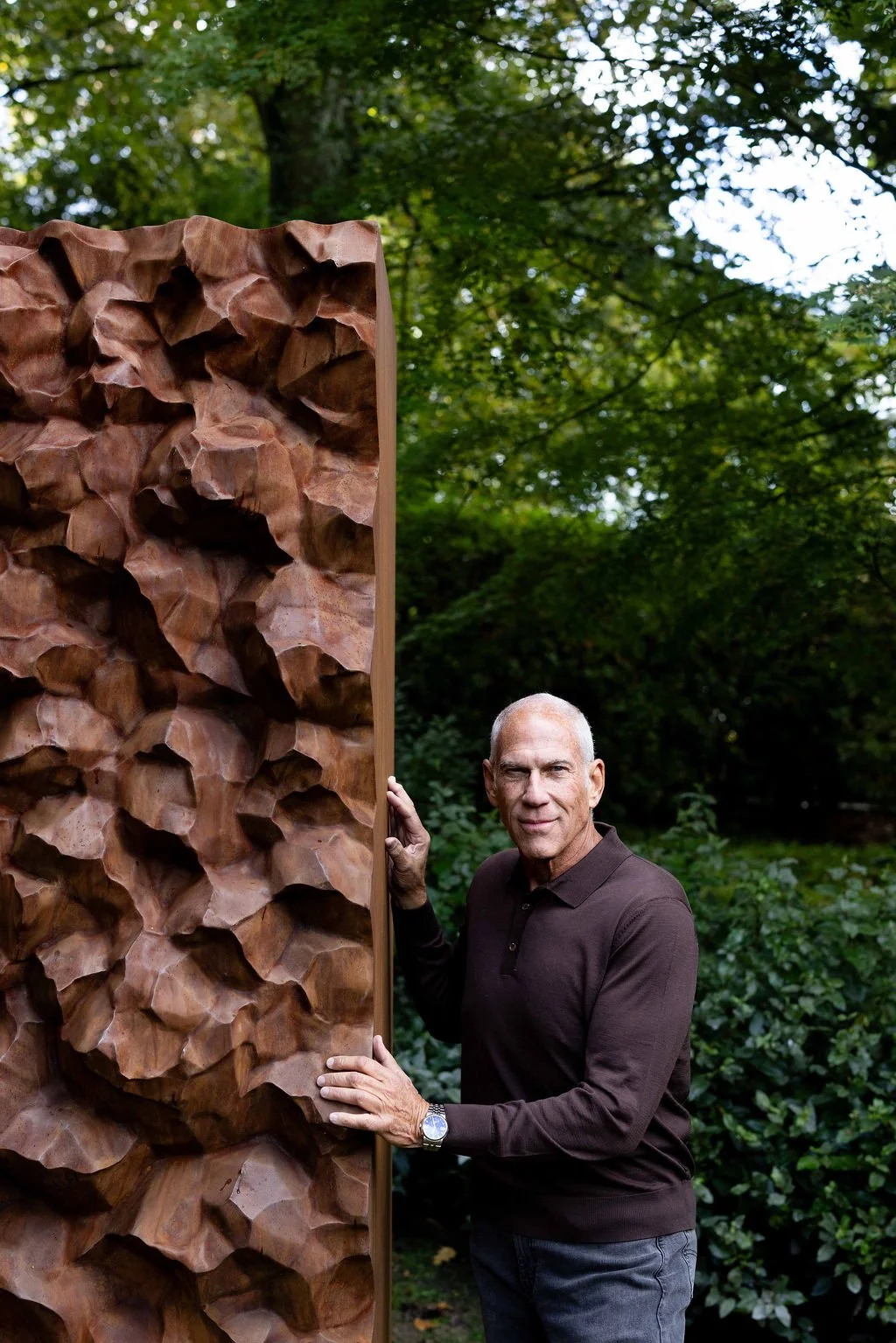
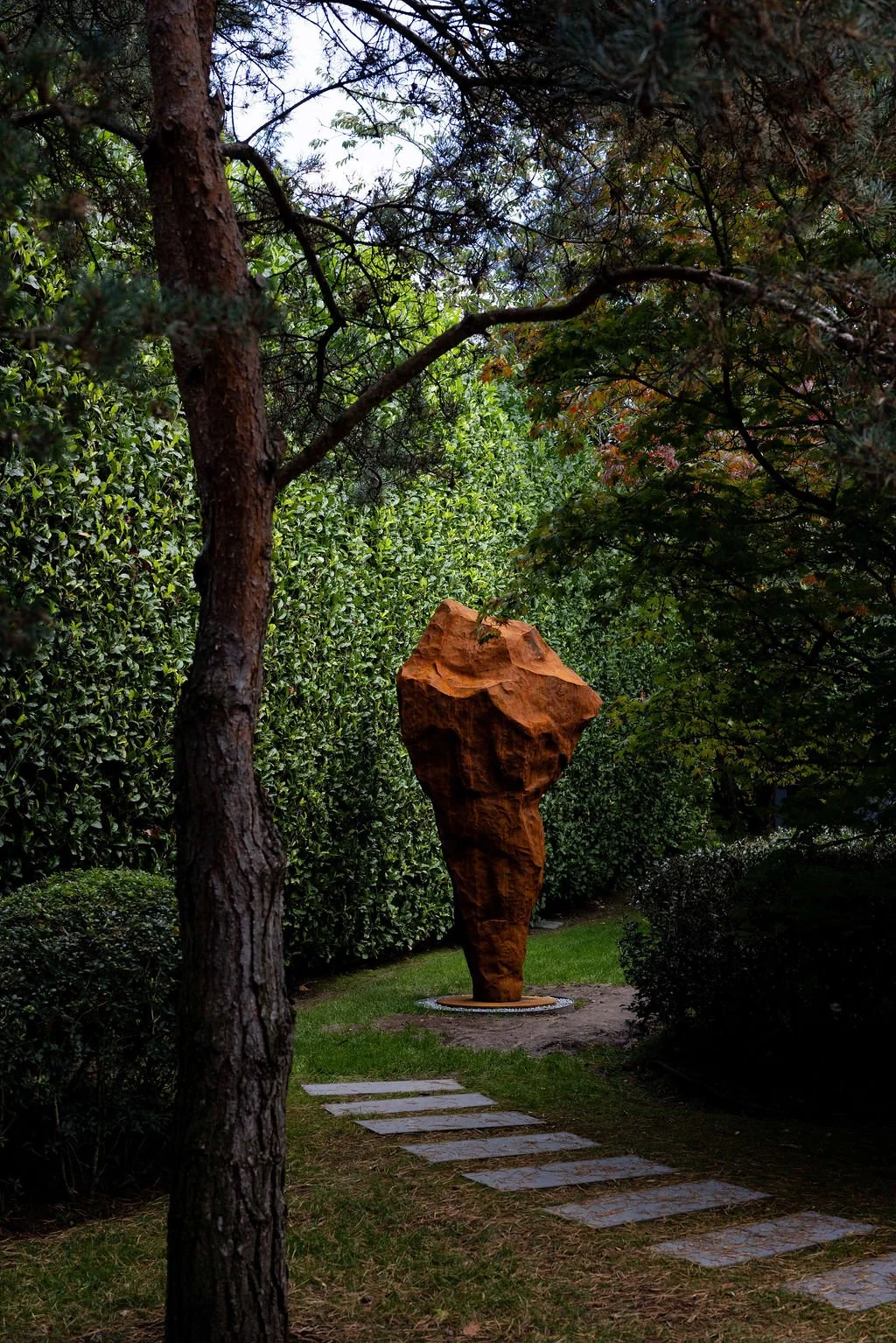
At the centre of Maison Berkshire is the sculptural practice of Jonathan Prince, whose work explores the precarious balance between order and disorder, permanence and transformation, the visible surface and the hidden interior. Working primarily with stainless steel, CorTen steel and granite, Prince creates sculptures of striking physical authority and conceptual complexity. Their seemingly immaculate geometries are interrupted by fractures, erosions and voids, revealing an unexpected vulnerability beneath the apparent certainty of monumental form.
Polished stainless steel confronts oxidised surfaces. Industrial precision gives way to irregularity. What initially appears stable and complete becomes a meditation on instability, impermanence and the forces that operate beneath appearances.
The tension between technological mastery and the aesthetics of rupture gives Prince's work its particular resonance. His sculptures do not merely represent transformation; they embody it, suggesting that fracture may be understood not only as destruction but also as revelation. There is an almost philosophical paradox at the centre of these works: the very interruption of a form becomes the condition through which its inner complexity is disclosed. Within the architectural clarity of Maison Berkshire, these sculptural investigations acquire a further dimension. The dialogue between Prince's fractured geometries and Corbiau's restrained modernism creates a compelling interplay between control and unpredictability, solidity and openness.
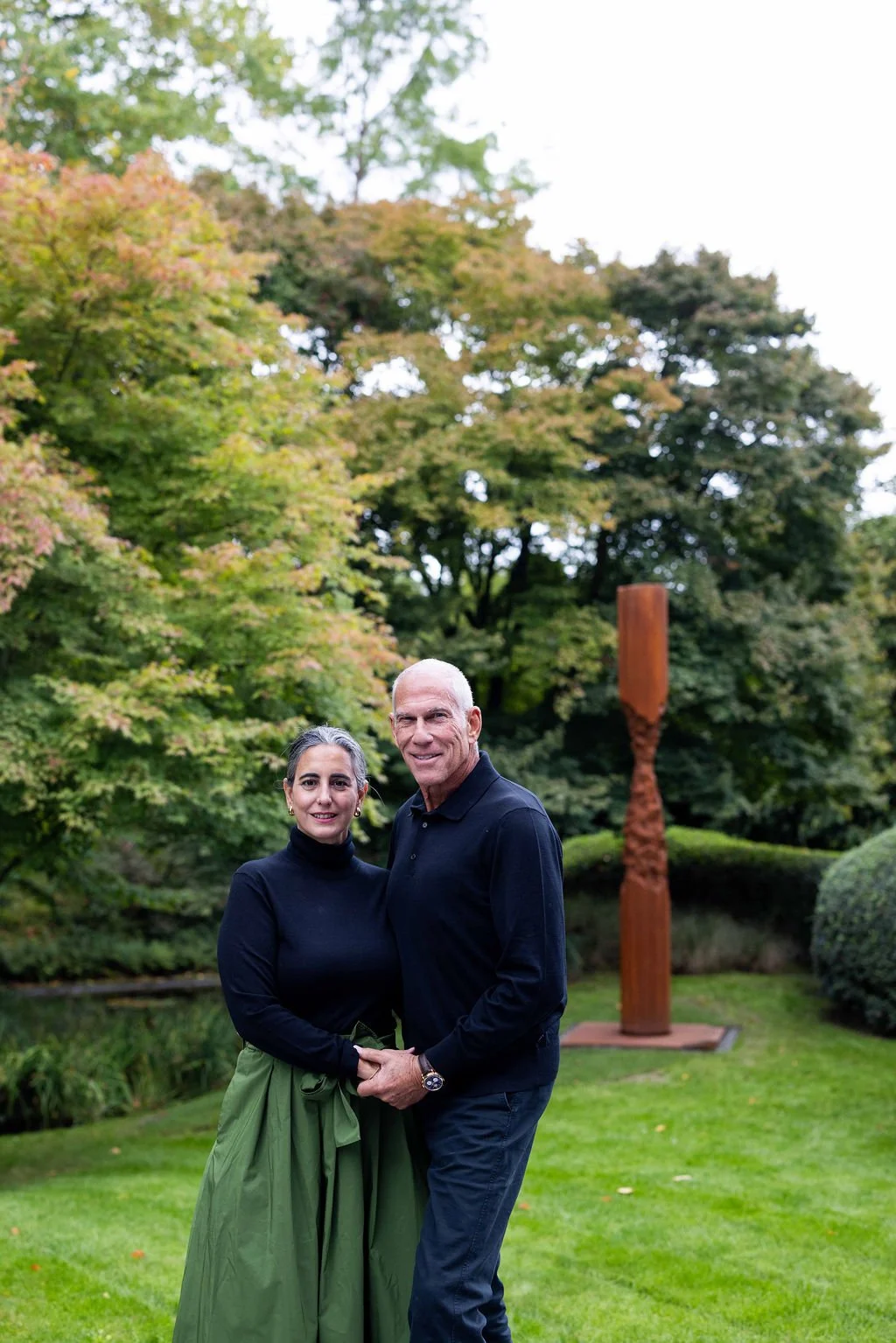
STEPHANIE MANASSEH: CURATING CONNECTIONS
If Prince's sculptures provide the artistic foundation of Maison Berkshire, Stephanie Manasseh brings to the project a curatorial vision shaped by decades of experience across the international cultural landscape. Born in Canada and closely connected to Brussels, Manasseh has built a career at the intersection of contemporary art, cultural entrepreneurship and international collaboration. In 2006, she founded the Accessible Art Fair, an initiative conceived to broaden opportunities for artists and create more direct relationships between artistic production and audiences. Her subsequent work has encompassed exhibitions, institutional collaborations, cultural partnerships and projects connecting artists with collectors, designers and creative communities.
At Maison Berkshire, her approach extends beyond the presentation of individual artworks. It is rooted in the conviction that meaningful cultural experiences emerge through encounters: between objects and spaces, disciplines and perspectives, artists and audiences.
The programme reflects this sensibility, bringing together exhibitions, intimate conversations, design presentations, private viewings and interdisciplinary collaborations.Rather than aspiring to the scale of a traditional institution, Maison Berkshire embraces a more concentrated form of cultural engagement, in which hospitality, curatorial intention and intellectual exchange are inseparable.
ARCHITECTURE AS AN ACTIVE PARTICIPANT
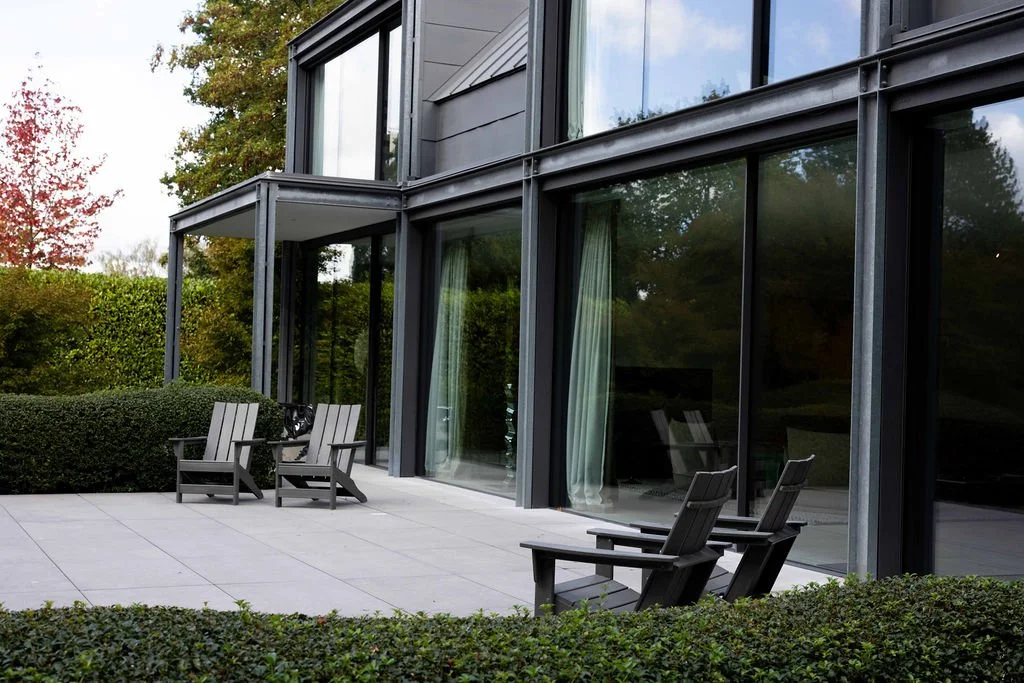
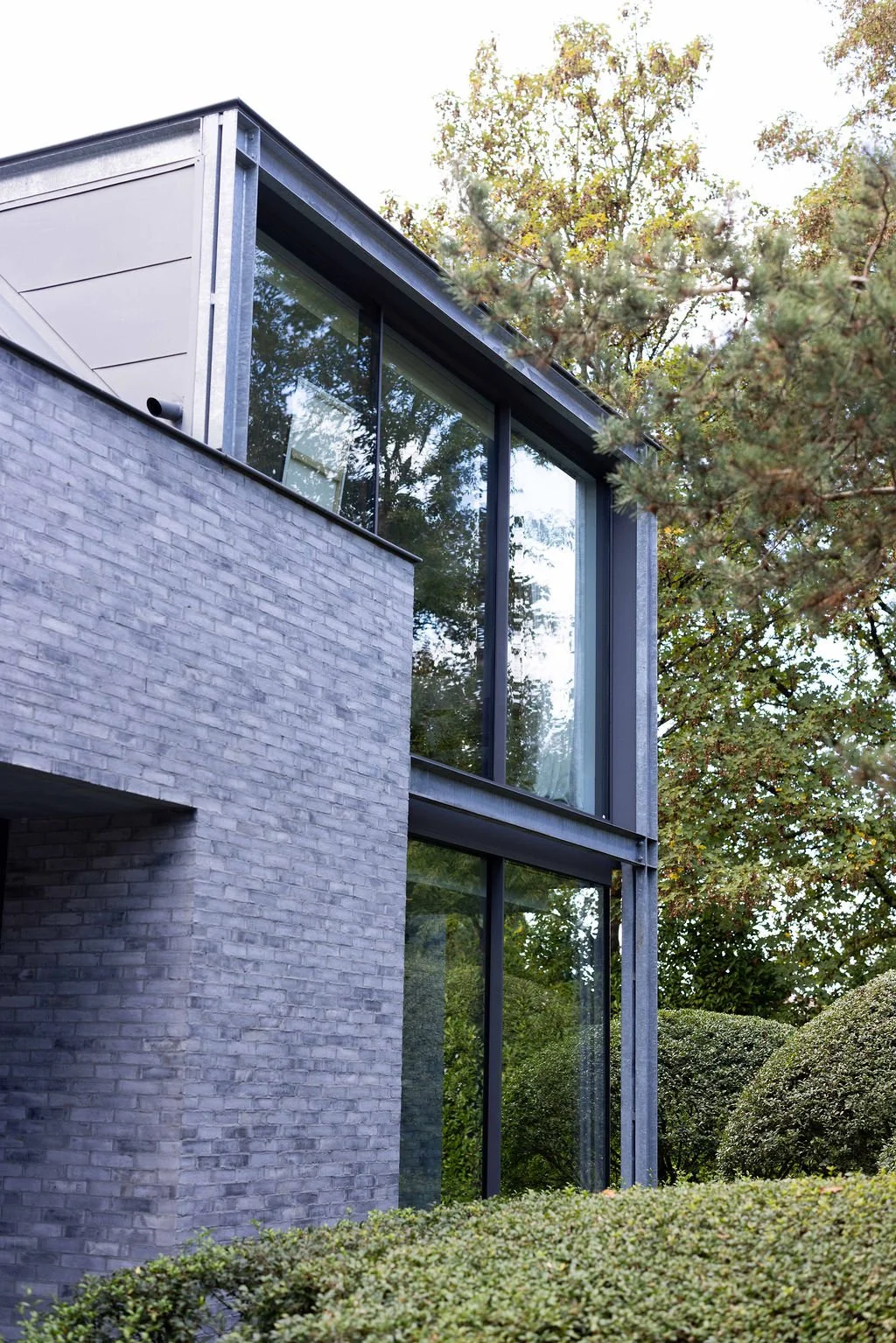
At Maison Berkshire, architecture is neither a neutral container nor a decorative backdrop. It is an essential component of the artistic experience. The residence was designed by Marc Corbiau, the celebrated Belgian architect whose distinctive architectural language is defined by geometric clarity, carefully calibrated proportions, expansive glazing and a profound sensitivity to the relationship between interior and landscape.Corbiau's architecture privileges openness, transparency and the subtle choreography of natural light. Within this environment, sculpture acquires a shifting presence. Surfaces reflect their surroundings, volumes respond to spatial proportions, and the changing light continually transforms the perception of material and form.
The result is an encounter fundamentally different from that offered by the conventional exhibition space. Rather than separating art from life, Maison Berkshire situates it within the architectural conditions in which it might ultimately be lived with. Here, a sculpture is not only an autonomous aesthetic proposition. It is an object capable of altering the perception of a room, establishing relationships with its environment and generating new ways of experiencing space.
BEYOND THE WHITE CUBE: A DIFFERENT MODEL OF COLLECTING
Maison Berkshire proposes an alternative to the conventions through which contemporary art is often presented and acquired. In place of the anonymous neutrality of the gallery, it offers the specificity of a lived architectural environment. Visitors are invited to understand how sculpture occupies space, how it changes under natural light and how its presence can transform the atmosphere of an interior or landscape.
This residential context is particularly significant for collectors, who can experience artworks in conditions closer to those of their eventual placement. All artworks presented at Maison Berkshire are available for acquisition, and the space offers opportunities to explore acquisitions and commissions through a more direct and personal dialogue.
Its commercial dimension is therefore integral to, rather than separate from, its cultural identity. Maison Berkshire is both a destination for collecting and a platform for artistic exchange, offering a model in which connoisseurship, aesthetic experience and personal engagement coexist. The ambition is not simply to reconsider how art is exhibited, but to expand the ways in which it can enter into the fabric of life.
A TRANSATLANTIC VISION, ROOTED IN BRUSSELS for ART AS A WAY OF INHABITING THE WORLD
Maison Berkshire represents a new chapter in the partnership between Prince and Manasseh, extending the creative universe developed around Berkshire House in Massachusetts into a European context. While Prince's sculptures continue to be physically produced at his American studio, Brussels provides a permanent European setting for their presentation, as well as a base for the development of ideas, projects, exhibitions and cultural relationships. The choice of Brussels is especially meaningful.
Long recognised for its distinctive artistic identity, the Belgian capital occupies a singular position at the intersection of European cultures. Its combination of influential collectors, established institutions, independent galleries and a vibrant design community offers fertile ground for new forms of artistic dialogue. For Manasseh, whose professional history is closely intertwined with the city, Brussels is also a place of continuity and renewed possibility. Maison Berkshire enters this landscape not as another conventional exhibition venue, but as a carefully considered cultural address, conceived to foster sustained relationships between artists, collectors, architects, designers and an international community of cultural thinkers.
Ultimately, Maison Berkshire is founded on a deceptively simple proposition: art belongs not only to the spaces in which it is exhibited, but also to the environments in which life unfolds. By bringing sculpture into direct conversation with architecture, design and the domestic sphere, Prince and Manasseh challenge the perceived separation between aesthetic contemplation and everyday experience. The result is a space that is simultaneously personal and outward-looking, intimate and international, grounded in a particular architectural setting yet open to encounters across disciplines and geographies. Maison Berkshire is more than a new European address for Jonathan Prince's work. It is an invitation to reconsider the place of art in contemporary life, not as something apart from the world, but as something capable of transforming how we inhabit it.
By Appointment Only
Partners: